
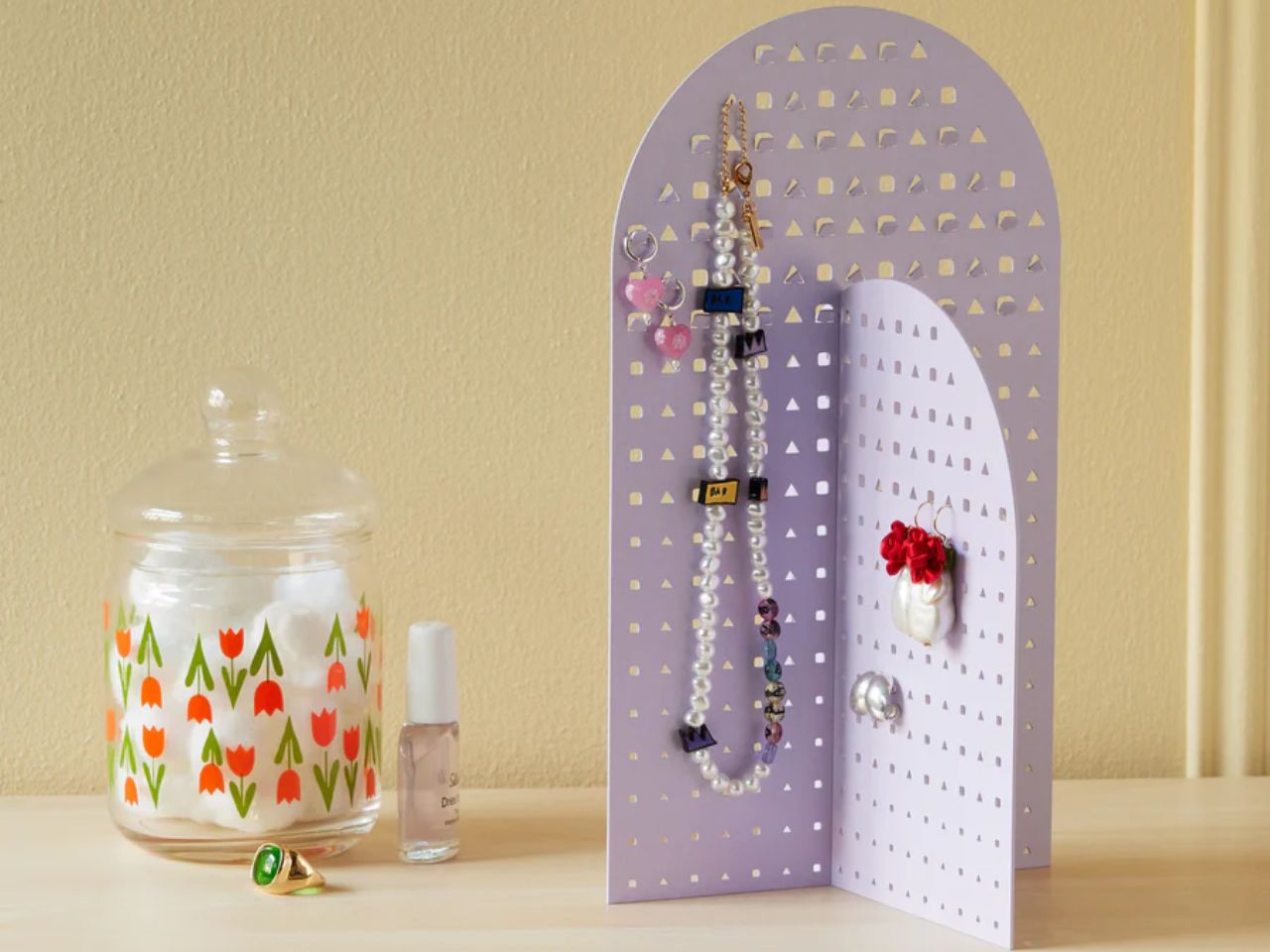
Most jewelry stands are passive objects. They sit quietly on dressers, functioning as background tools for storage. But jewelry stand challenges that expectation by repositioning the humble organizer as an active curator, one that stages jewelry the way a gallery stages art. Designed exclusively for the MoMA Design Store and distributed internationally, the piece reframes what a daily-use object can be: not just a holder, but a display system, a sculpture, and a small architectural experiment.
Instead of approaching the project as a decorative accessory, Arora treated it as a spatial design problem. The stand consists of two powder-coated iron panels that interlock to form a stable three-dimensional structure. This construction method eliminates fasteners entirely, allowing the object to assemble intuitively while maintaining structural strength. The gesture feels architectural, like slotting together planes in a scale model, suggesting that the designer is thinking less like a stylist and more like a builder of systems.
Designer: Nihaarika Arora
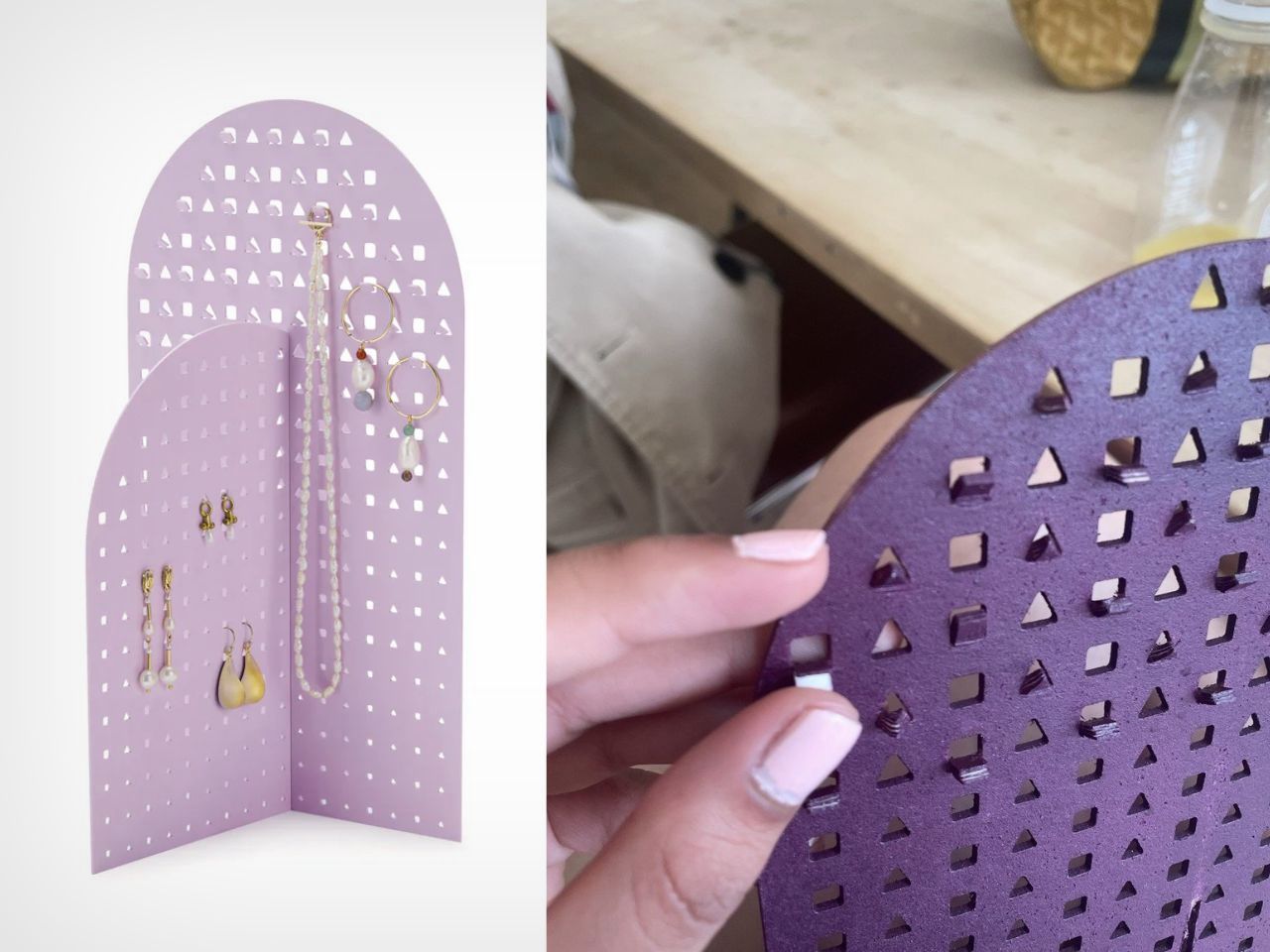
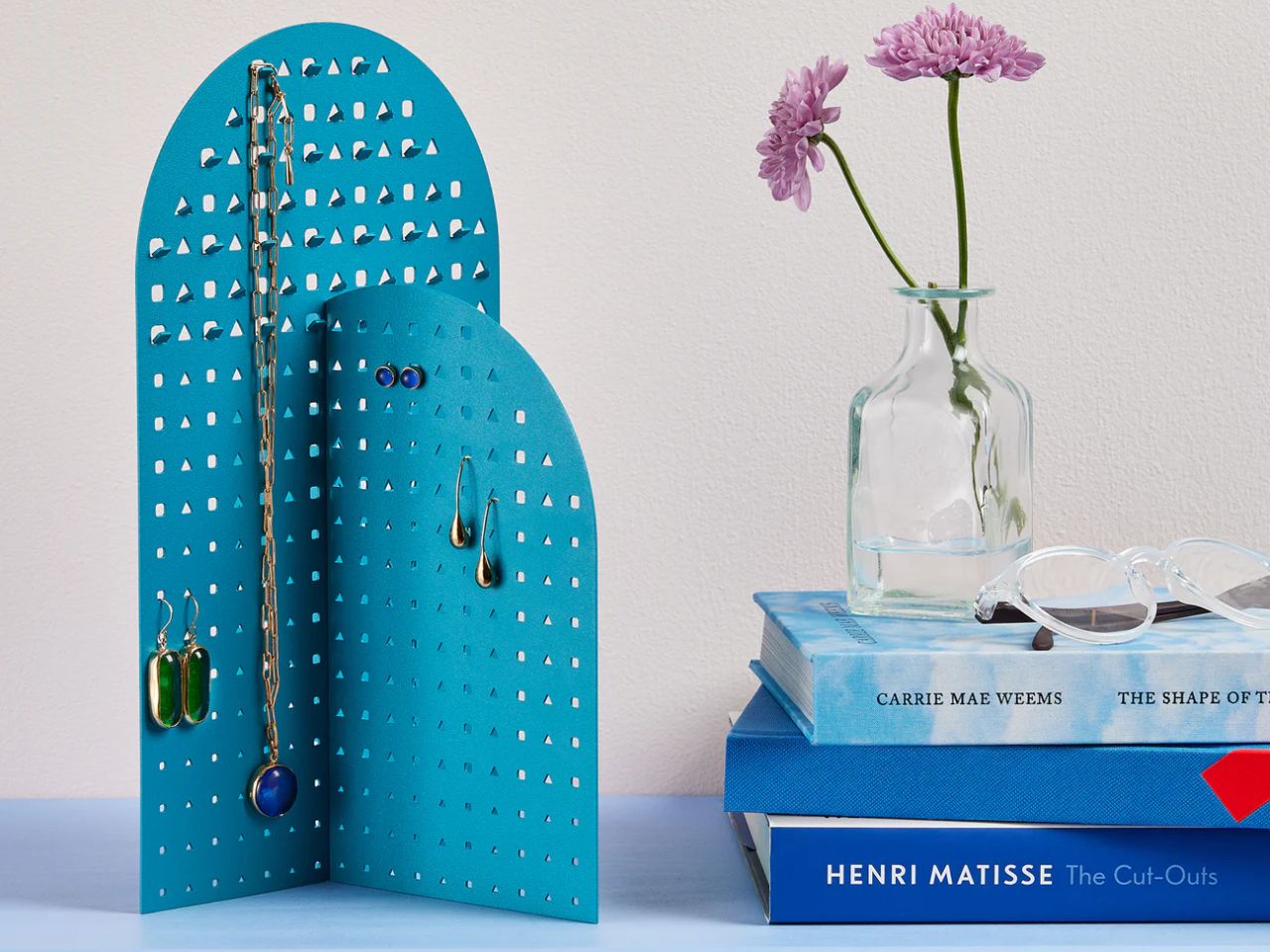
What makes the object particularly compelling is how it transforms jewelry into part of its visual composition. A rhythmic field of geometric perforations allows stud earrings to pass directly through the surface, effectively turning the panel into a customizable exhibition wall. Integrated hooks accommodate necklaces and bracelets, suspending them in clean vertical lines. Rather than hiding accessories, the stand frames them, making everyday items feel intentional and composed. When empty, it still retains a sculptural presence; when filled, it becomes collaborative, co-designed by the wearer’s collection.
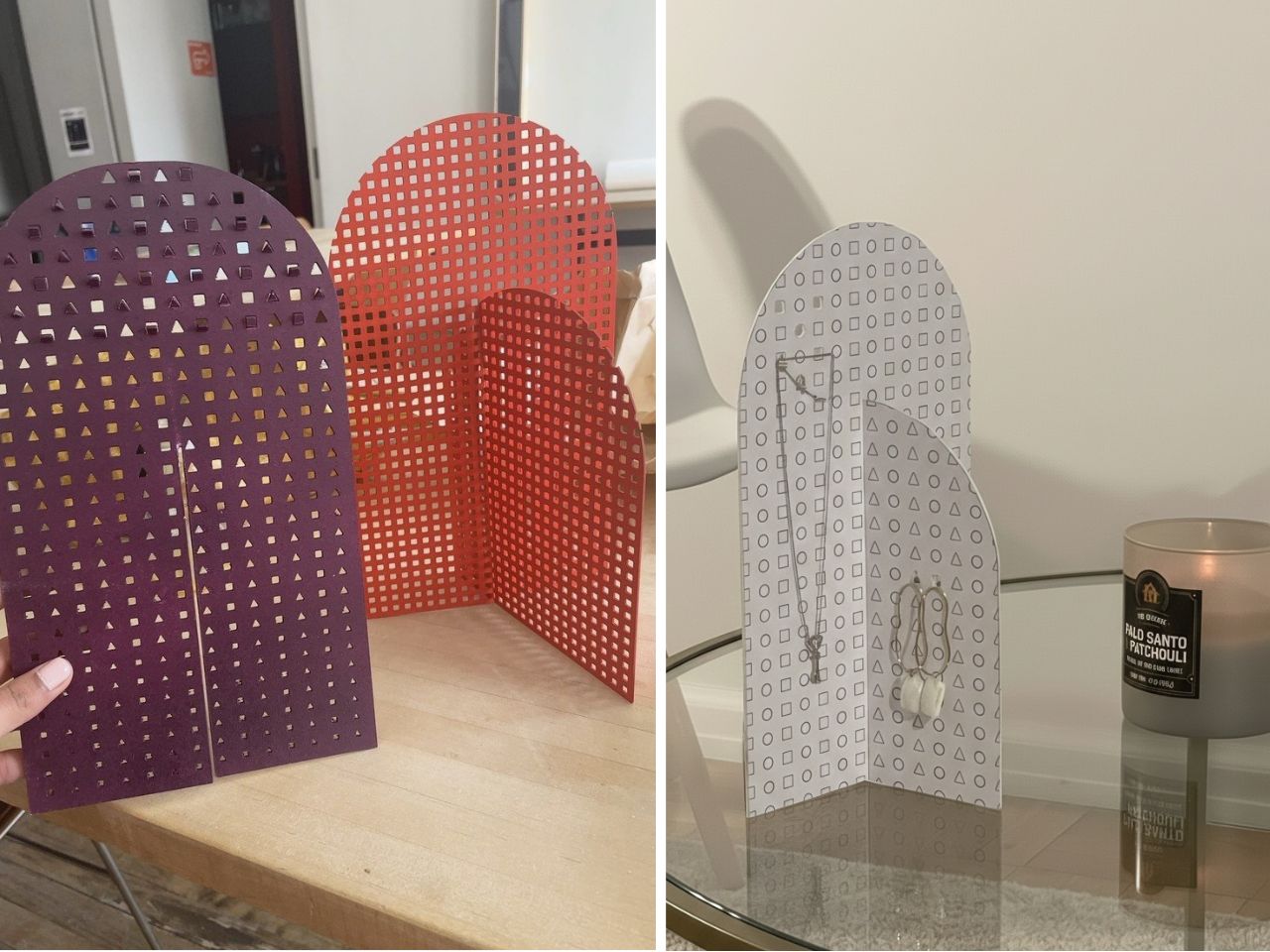
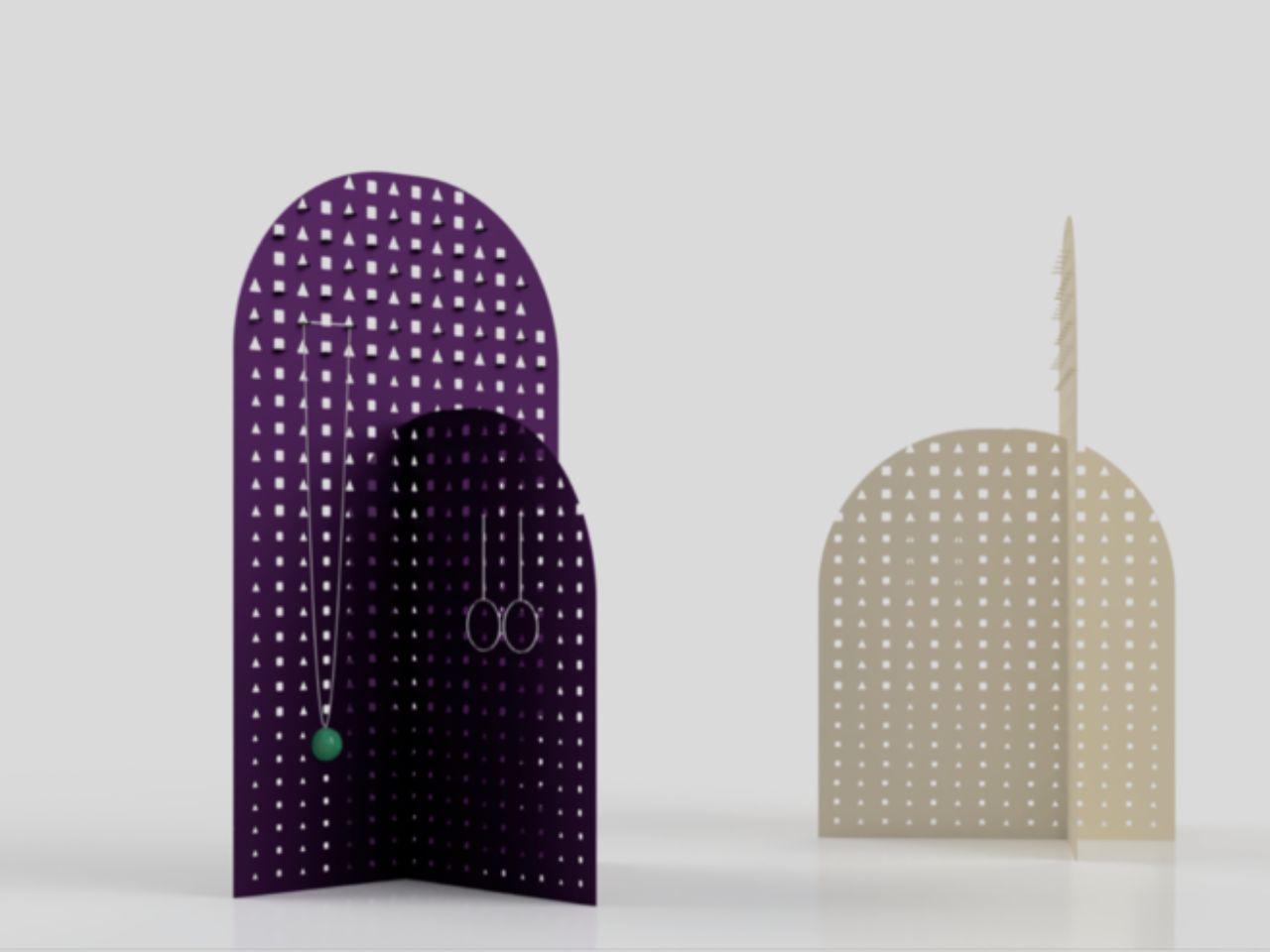
This sense of precision did not emerge accidentally. The project evolved through an iterative prototyping process that included cardboard mockups, laser-cut tests, and extensive material trials. Arora adjusted metal thickness, balance, and joint tolerances repeatedly to achieve an equilibrium between stability and visual lightness. Early prototypes were reviewed with MoMA’s editorial and buying teams, whose feedback informed refinements to perforation spacing, detailing, and color direction. The process reflects a designer committed to testing assumptions and refining decisions through interaction rather than relying solely on intuition.
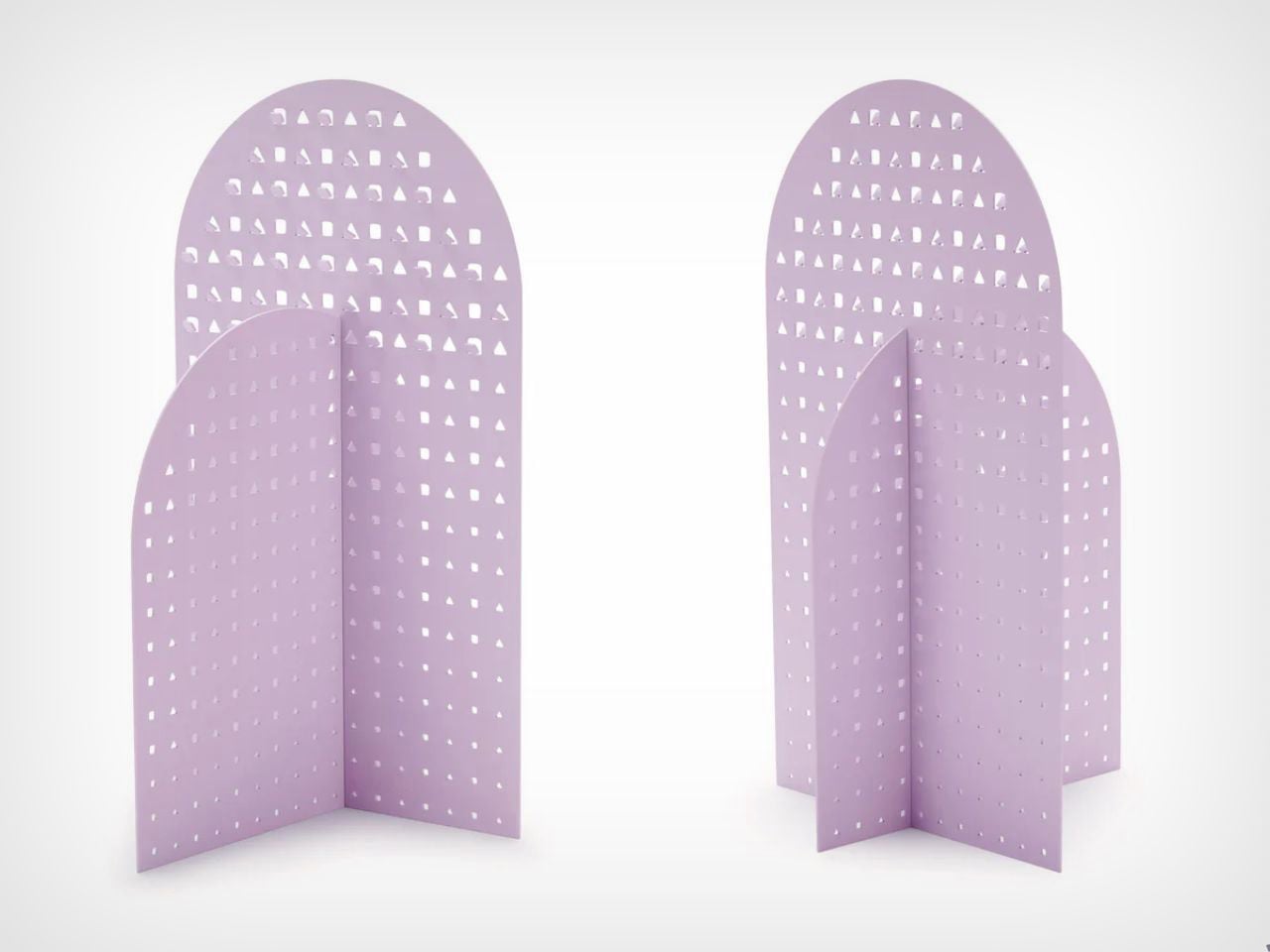
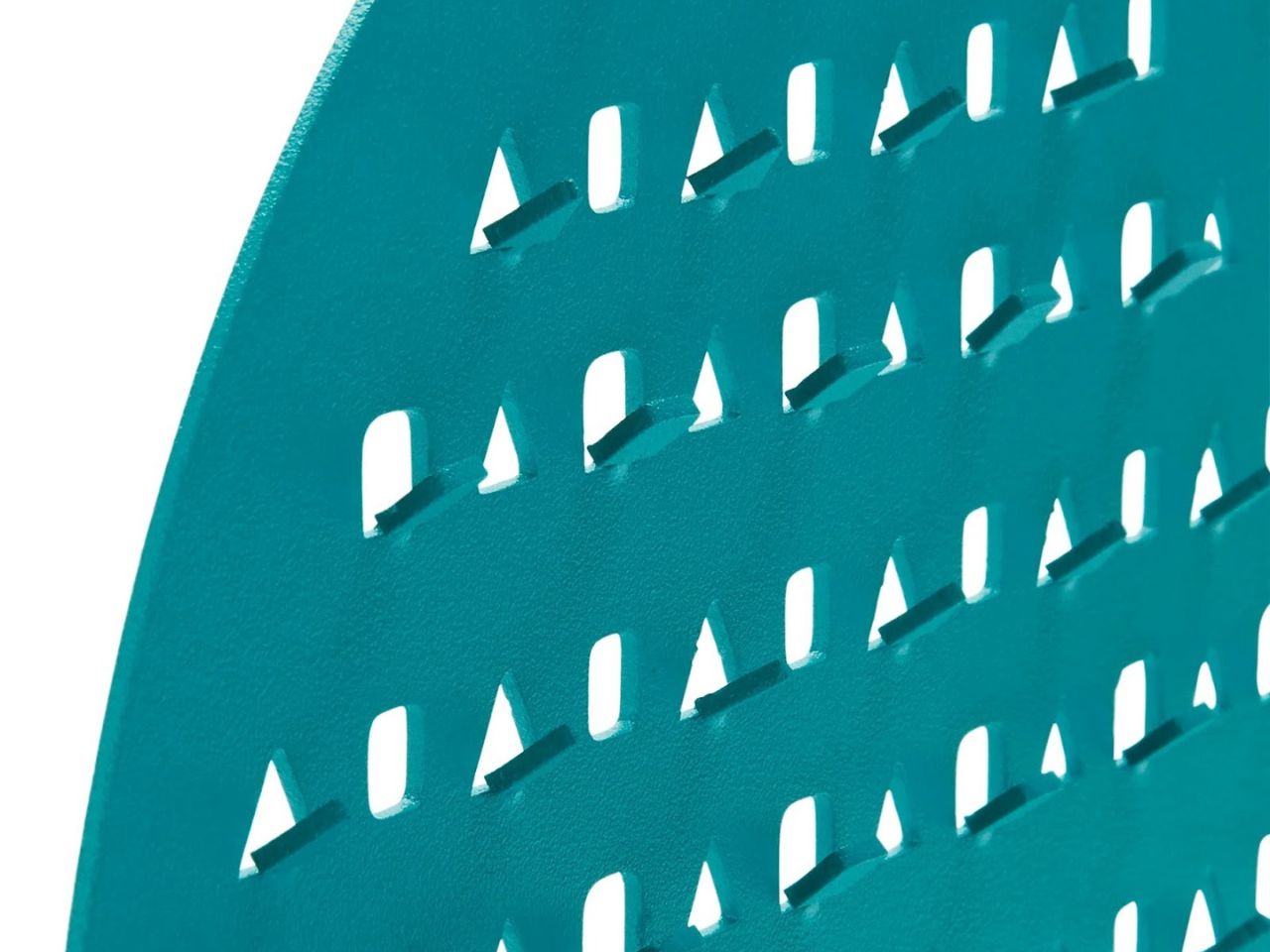
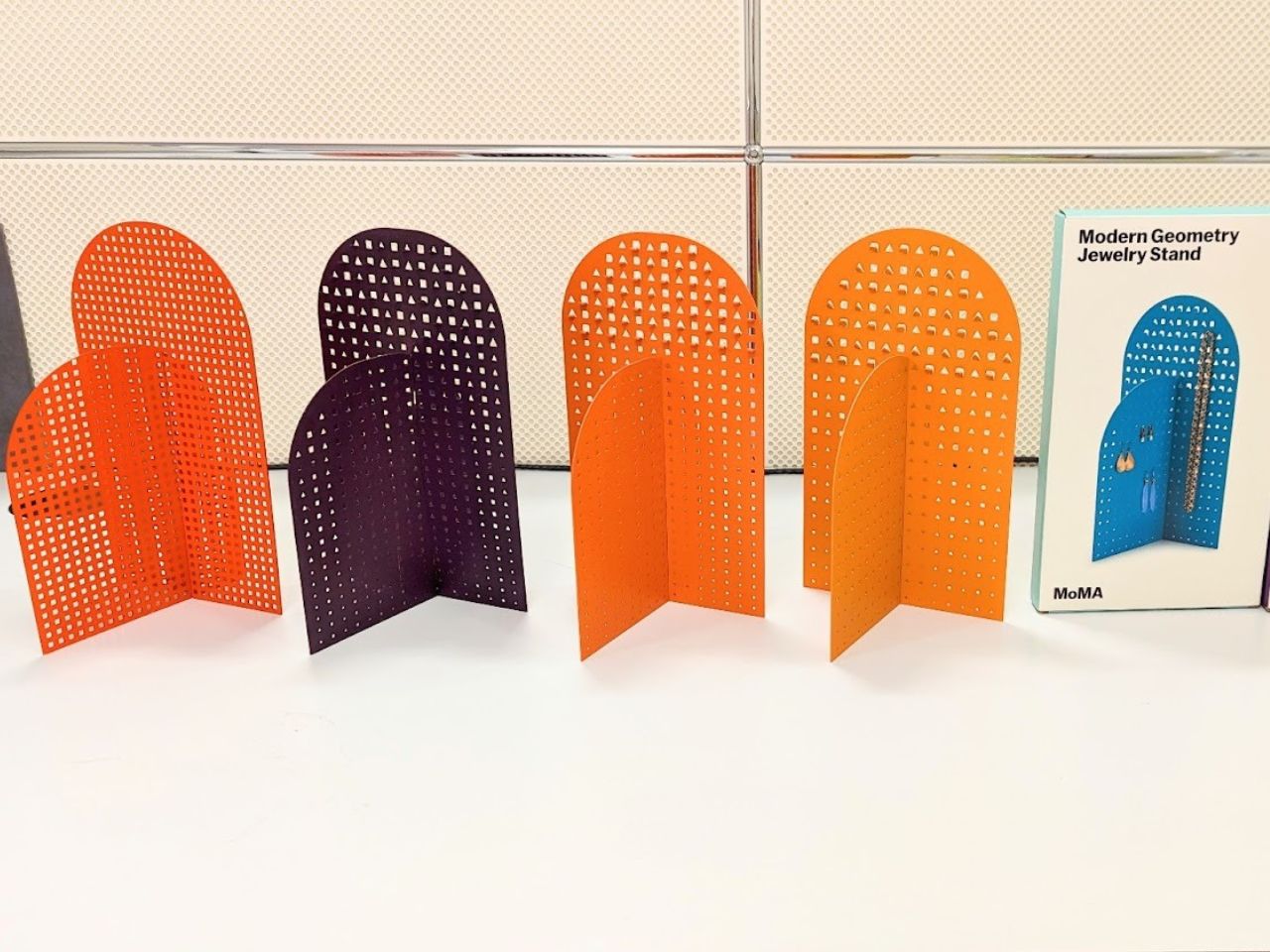
Historically, the design draws subtle influence from early modernist thinking. The interlocking planes recall Bauhaus experiments in structural clarity, while the perforation patterns nod to Josef Hoffmann’s explorations in metalwork geometry. Yet the stand never feels retro. Instead, these references are distilled into a contemporary language defined by restraint, proportion, and disciplined form. Color selection developed through trend and material study leans toward cool, playful tones that complement the iron substrate while allowing the piece to integrate into a wide range of interiors.
Arora has described her practice as driven by a desire to design with purpose and to imagine equitable and sustainable futures through collaboration. In this context, the jewelry stand becomes more than a product. It becomes a manifesto in miniature. It demonstrates that even the smallest domestic object can embody architectural logic, historical awareness, and user-centered thinking. By elevating storage into display and function into form, the Modern Geometry Jewelry Stand does not just organize belongings. It reorganizes expectations of what everyday design can be.
The post The Sculptural Stand That Curates Jewelry Like a Miniature Modernist Gallery first appeared on Yanko Design.